What makes this project unique
Walsall, Windrush, Women
Walsall’s History:
Where it all began...
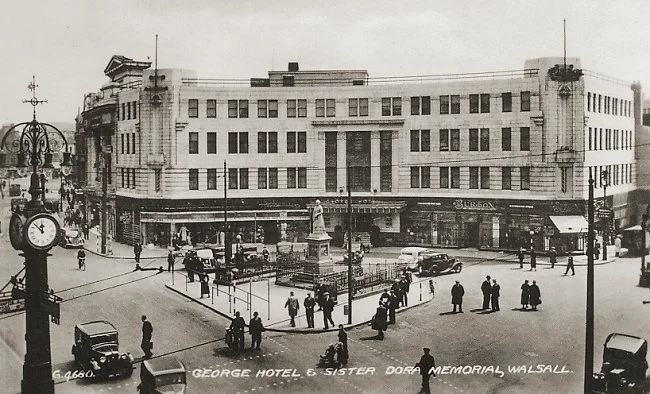
Walsall, in the heart of the West Midlands, is a uniquely shaped borough with an identity rooted in the rich industrial heritage of the Black Country.
Known historically for its world-class leather trade, especially saddle-making, Walsall became a powerhouse of craftsmanship, metalworking, coal mining and manufacturing. Its landscape was forged by factories, canals, collieries, and workshops that once fuelled Britain’s industrial wealth. This blend of skilled labour, innovation, and working-class resilience shaped a proud, distinctive community.
Today, Walsall’s cultural diversity, strong neighbourhoods, and commitment to preserving its heritage make it a vibrant town where history and modern creativity meet.
Women’s Work in Walsall from the 1950s
In 1950s Walsall, the leather industry was at its peak, giving the town a worldwide reputation for high-quality leather fancy goods. Saddles, gloves, purses, and small luxury items were crafted with precision and exported globally.
In 1951, around 2,818 people were employed in Walsall’s leather trades, including 1,970 women. Much of the work was low-paid piecework that relied on women’s skill, precision, and “nimble fingers” for fine, detailed tasks. Women played a central role in sustaining the industry.
By 1970, frustrations around working conditions surfaced dramatically when women at the Tarantella Glove Factory went on strike after the manager offered free family-planning advice, highlighting wider inequalities in the trade.
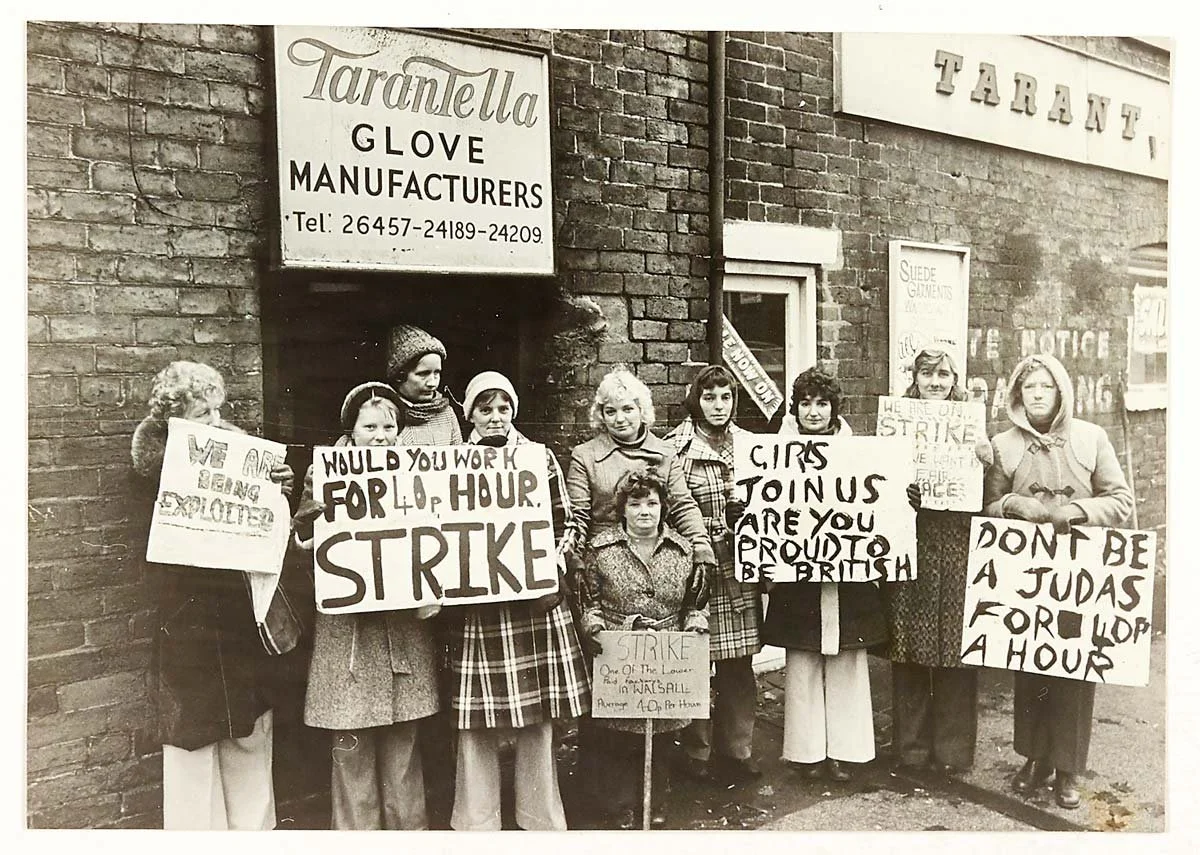
Image Credit: Express & Star

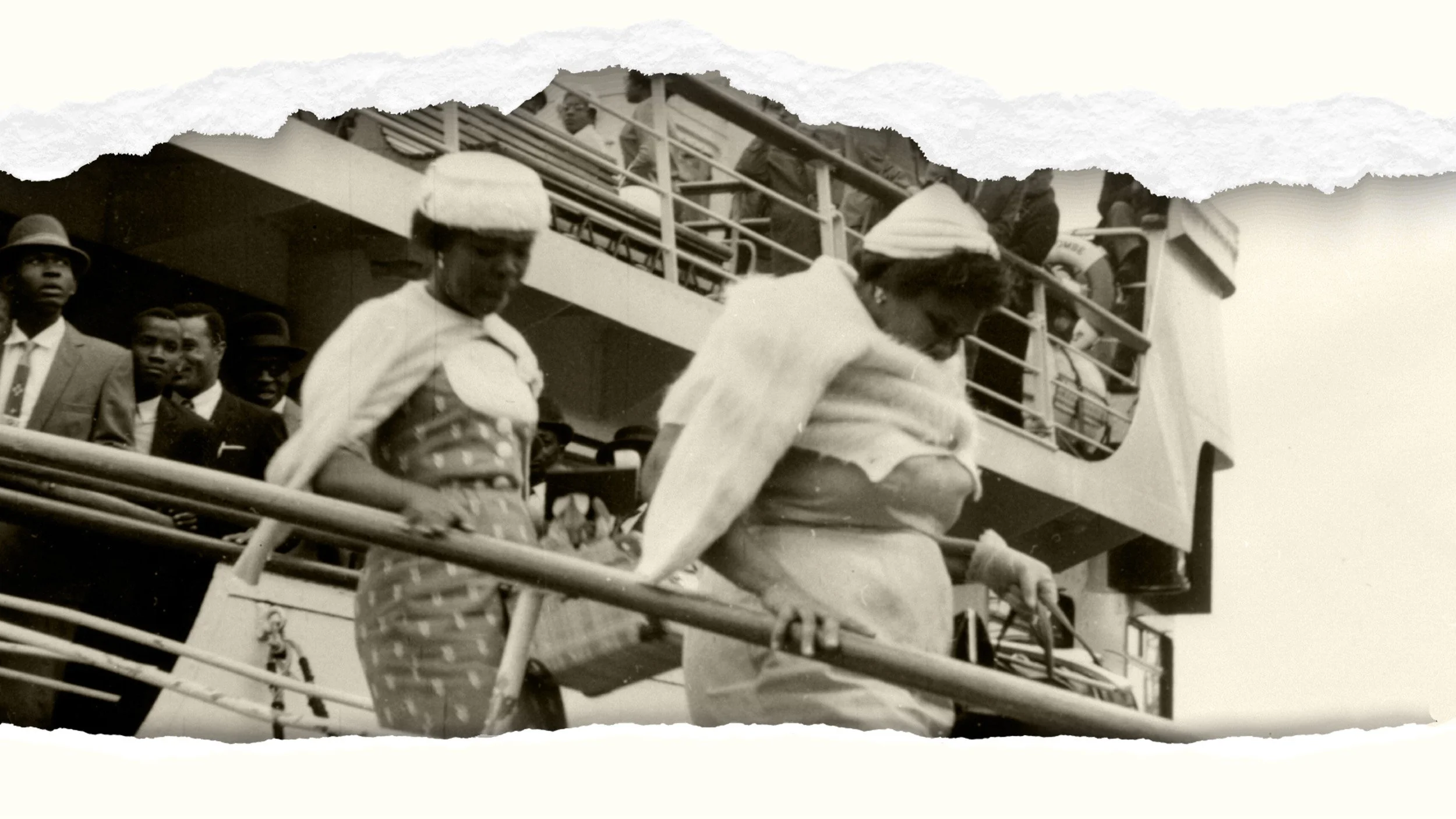
When the Windrush happened
The arrival of the Windrush Generation was no accident, nor simply a coincidence — it was the result of a deliberate, government-led campaign to recruit workers from across the Commonwealth.
After the devastation of the Second World War, Britain faced severe labour shortages and urgently needed help to rebuild its cities, industries, and public services.
Across Europe, similar recruitment drives were underway, but Britain turned to its “mother countries” in the Caribbean, inviting skilled and hardworking men and women to fill vital roles.
The Windrush migrants answered that call, contributing enormously to Britain’s recovery, growth, and cultural transformation.
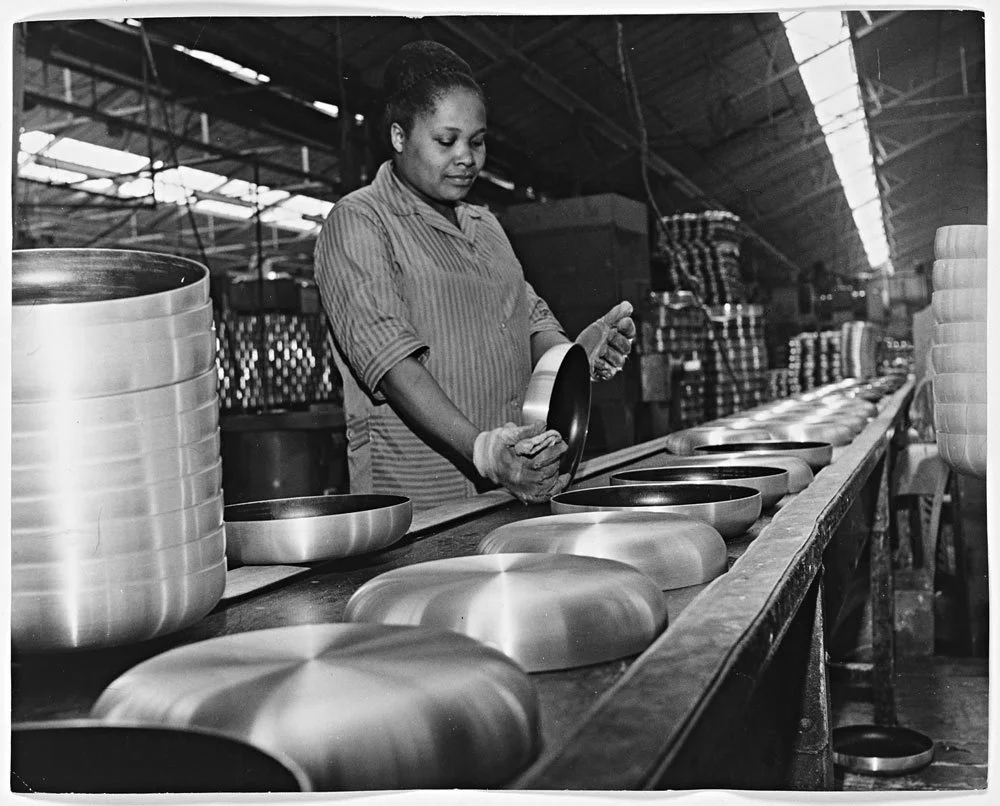
Image Credit: Express & Star
Walsall’s Windrush Timeline
-
1948
Caribbean Women Begin Arriving in the Black Country
Following the arrival of the Empire Windrush, African Caribbean women settle in Walsall, Wolverhampton and West Bromwich, recruited for essential roles in public services, factories, and domestic work.
c. National Archives
-
Late 1940s–1950s
Recruitment into the NHS and Local Hospitals
Walsall’s Manor Hospital and surrounding Black Country hospitals actively recruit Caribbean women to train as nurses, ward assistants, and auxiliary staff, becoming vital to post-war healthcare rebuilding.
-
1950s
Women Enter Local Leather and Light Manufacturing Industries
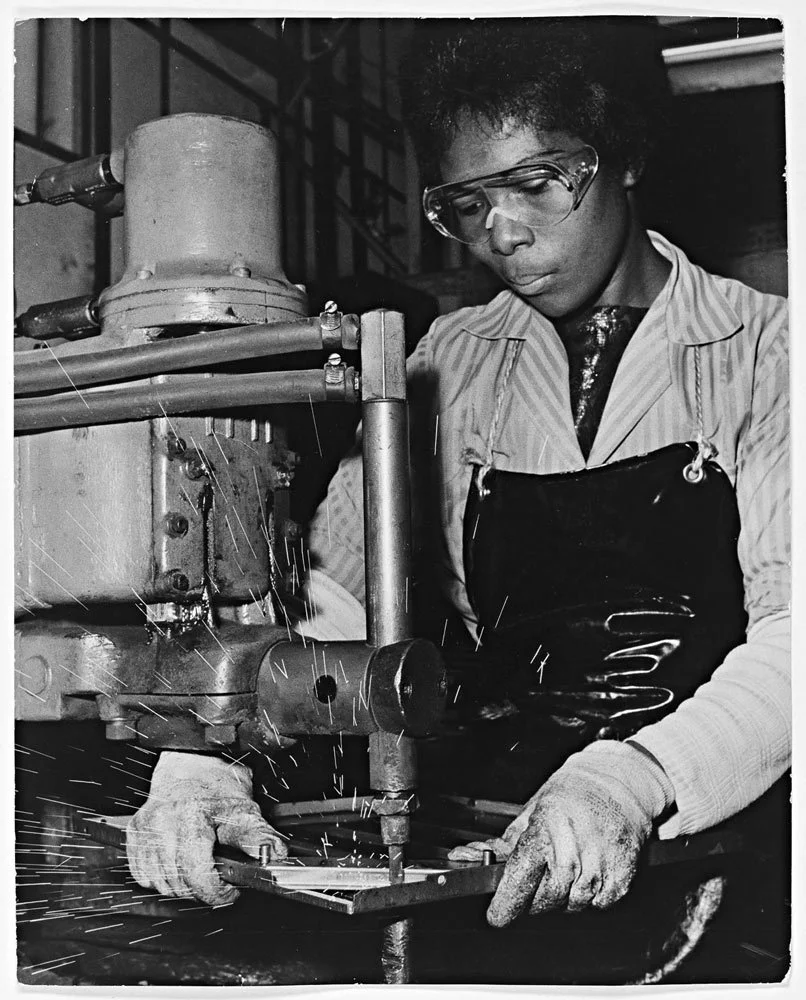
Walsall’s famous leather trade and glove factories employ many African Caribbean women. They often perform low-paid piecework requiring precision, mirroring wider inequalities in local employment.
Housing Discrimination in Walsall
African Caribbean families face exclusion from private rentals and openly racist “No Blacks, No Irish, No Dogs” policies. Black women lead community responses, forming support networks and church-based solidarity.
-
1958–1960
Strengthening Caribbean Community Organisations
Church groups, informal women’s networks, and social clubs grow across Walsall and the Black Country, offering support amid rising racial tension nationally and locally.
-
Early 1960s
Growth of Caribbean Women in Public Transport & Local Services
Caribbean women begin working for West Midlands Transport, local councils, and postal services areas previously closed to Black workers creating new pathways for visibility and stability.
-
1962
Immigration Act Impacts Caribbean Families
Restrictions make family reunification harder. Many African Caribbean women arrive later, navigating the emotional and financial strain of leaving children behind to join partners working in the Black Country.
-
Mid 1960s
Rise of African Caribbean Women as Community Anchors
Women play key roles in establishing supplementary schools, church choirs, sewing circles, social clubs, and cultural associations across Walsall, helping anchor the region’s early Black Caribbean communities.
-
1965–68
Race Relations Acts Begin to Shift Local Barriers
Although discrimination continues, African Caribbean women in Walsall start to see more employment protection and slightly improved access to housing and public services.
-
Late 1960s
Increasing Visibility in Trade Unions
Black Country factories and foundries see more African Caribbean women participating in workplace organising, challenging low pay, poor treatment, and racist practices.
-
1970
Tarantella Glove Factory Strike, Walsall
A defining moment for women workers. African Caribbean and white women at the Walsall glove factory strike after a manager offers family-planning advice instead of addressing unequal pay and poor working conditions. The strike becomes an important early example of Black women’s labour activism in the region.
Windrush History in Numbers
1948
Thousands of Caribbean people arrived in the UK between 1948–1971
4.6%
Today, 4.6% of Walsall’s population identify as Black or Black British.
40
In 2026, WBSC has supported the community for 40 years

Women at the Heart
National stories often focus on the men who arrived on HMT Empire Windrush — but in Walsall, women’s voices were just as vital. They were mothers, workers, carers, and activists who held families and communities together through hardship and resilience.
Their contributions may not appear in official records, but their legacy lives on in the fabric of our town — from the NHS wards where they worked, to the neighbourhoods they helped build, to the younger generations they inspired.
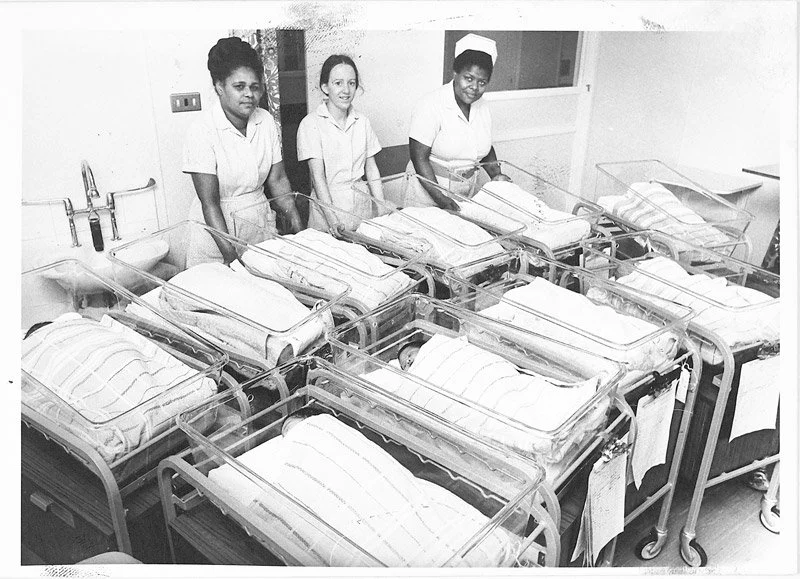
Image Credit: Express & Star
Image Credit: Express & Star
Personal Windrush Experiences
-
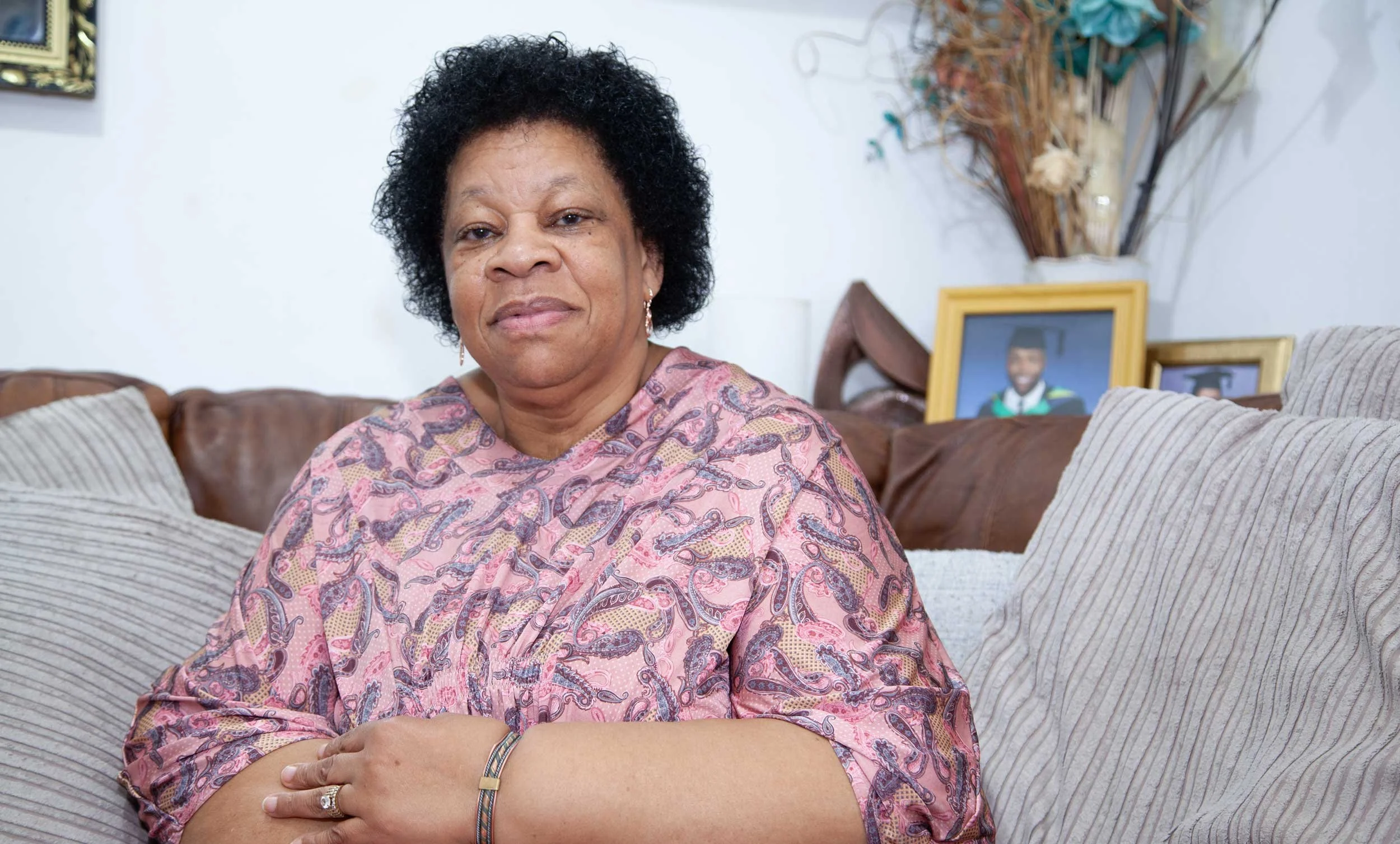
Victoria's Story
Raised in a strict home centred on church and family, Victoria built a lifelong bond with her sister. Despite facing racism later in life, she went on to become Walsall’s first Black councillor.
-
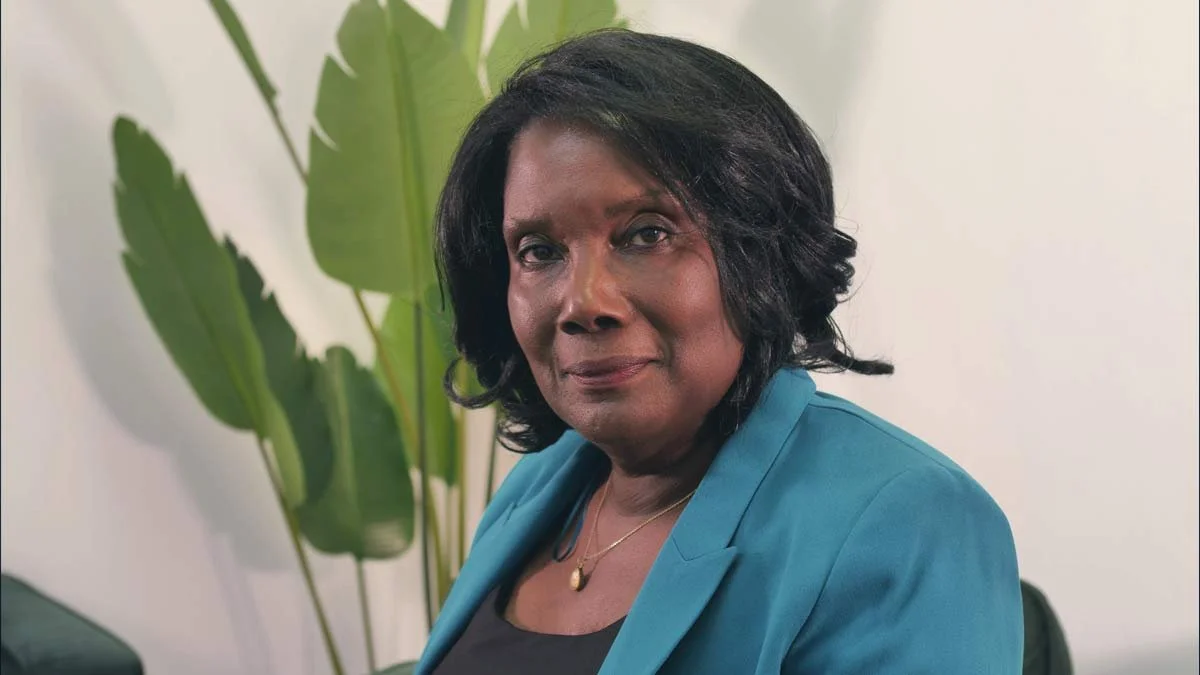
Lucille's Story
Arriving in England as a young child from Carriacou, Lucille recalls the shock of cold streets, cramped housing, and unfamiliar customs. Her story weaves humour with hardship, highlighting family strength, community, and her mother’s quiet resilience in the face of prejudice.
-
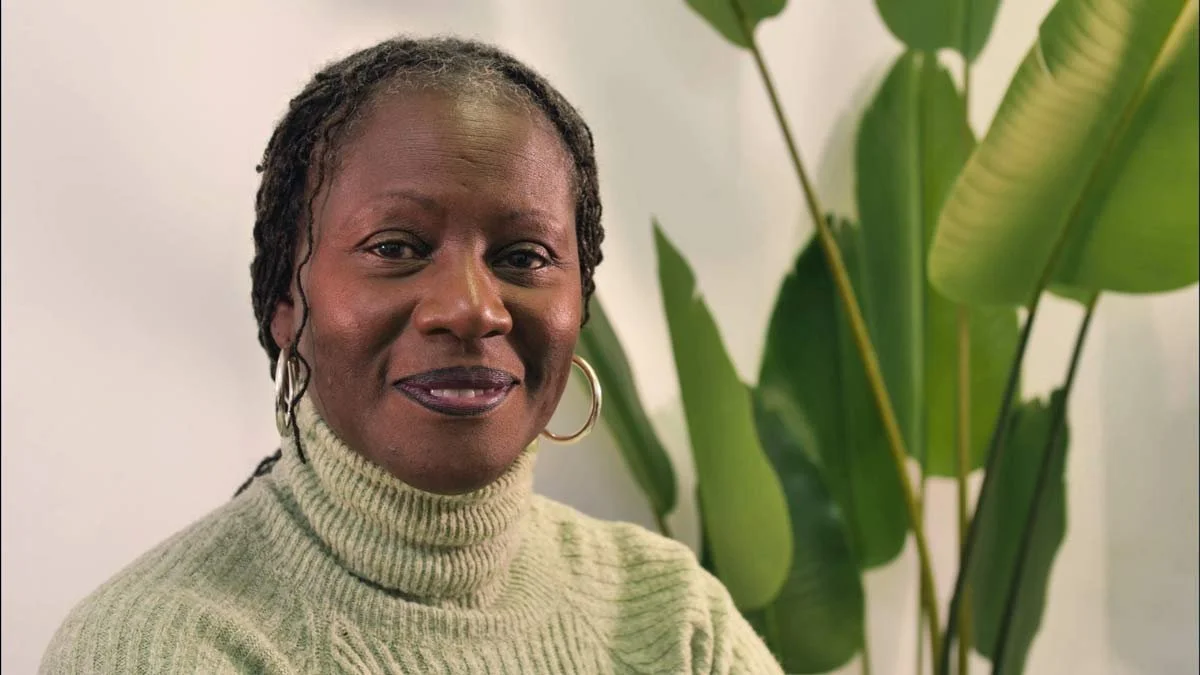
Velma's Story
Born into frequent moves and overcrowded homes, Velma recalls a childhood shaped by resilience, hardship, and her mother’s drive for independence. Her story reflects strength through instability, practical skill-building, and overcoming barriers of race, poverty, and illiteracy.
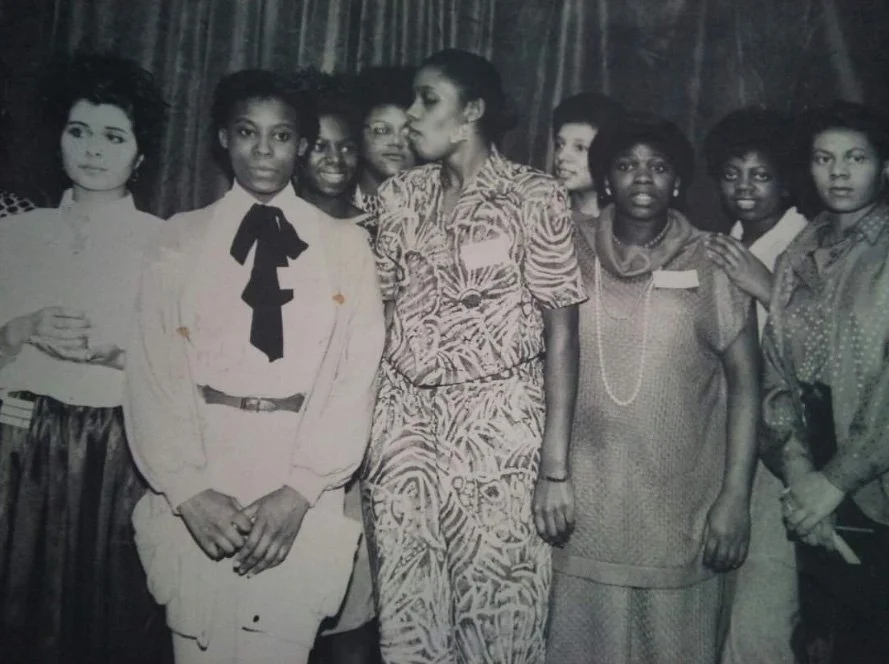
Preserving this history and why it matters
The history of Walsall’s Windrush women is more than dates and data. It’s a living heritage that deserves to be honoured, taught, and celebrated.
Recording these stories is about pride, belonging, and justice — ensuring that the women who shaped our borough are remembered not just by their families, but by future generations.
Help us preserve Walsall’s Windrush legacy.