

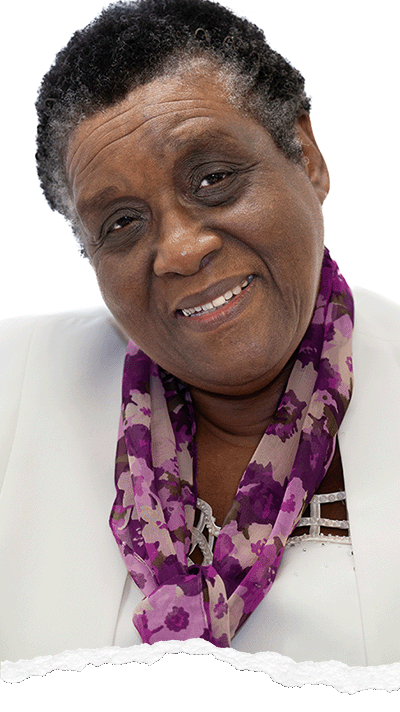
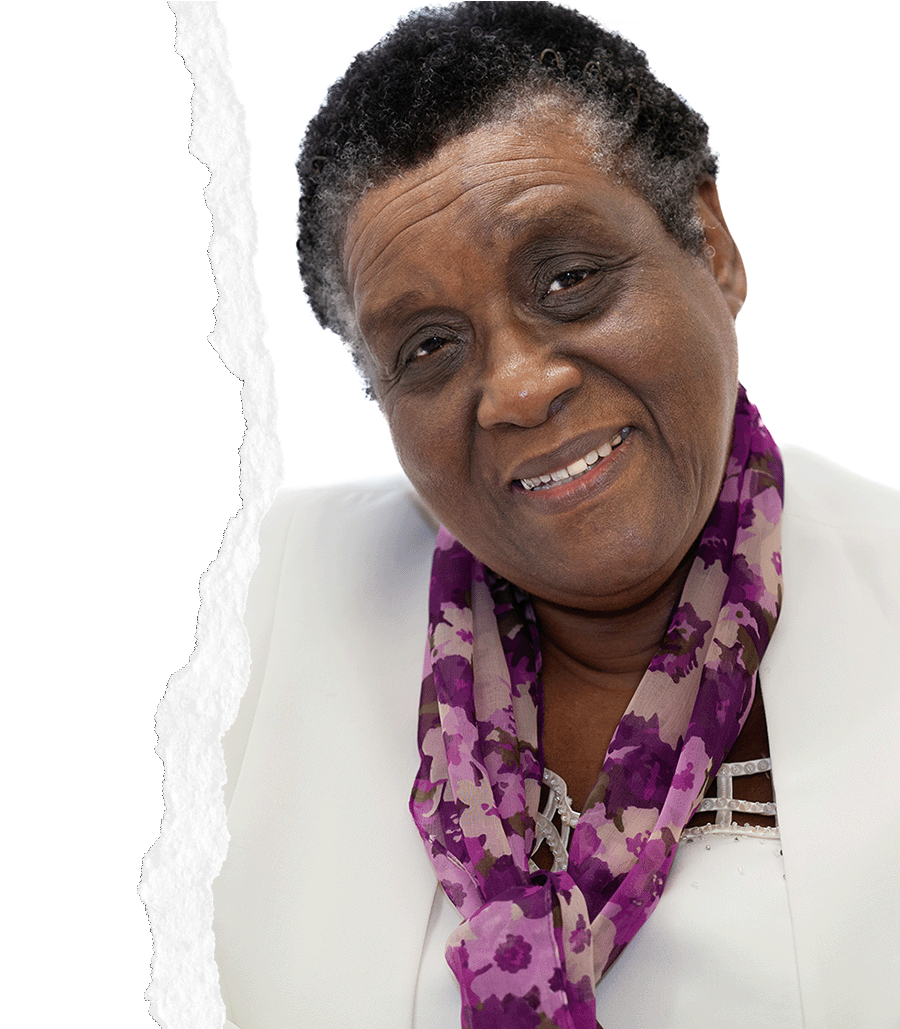
Nerissa Harvey
“Wah nuh kill yuh, fatten yuh”
Translation:
“What doesn’t kill you makes you stronger”Explanation:
You can emerge stronger and wiser from difficult experiences.
Place of Origin: Westmorland, Jamaica
Arrival: 1962
A story of faith, music, and community
Nerissa reflects on a life shaped by resilience, faith, and independence, often as the only Black woman in school, church, and the workplace. She speaks candidly about subtle racism, being undervalued at work, and the importance of hard work and self-respect.
A lifelong Seventh-day Adventist, music and community played a central role in her life. She also shares the heartbreak of losing her husband just before they were due to settle in Jamaica, and her journey of building a life on her own terms in England, which she firmly calls home.
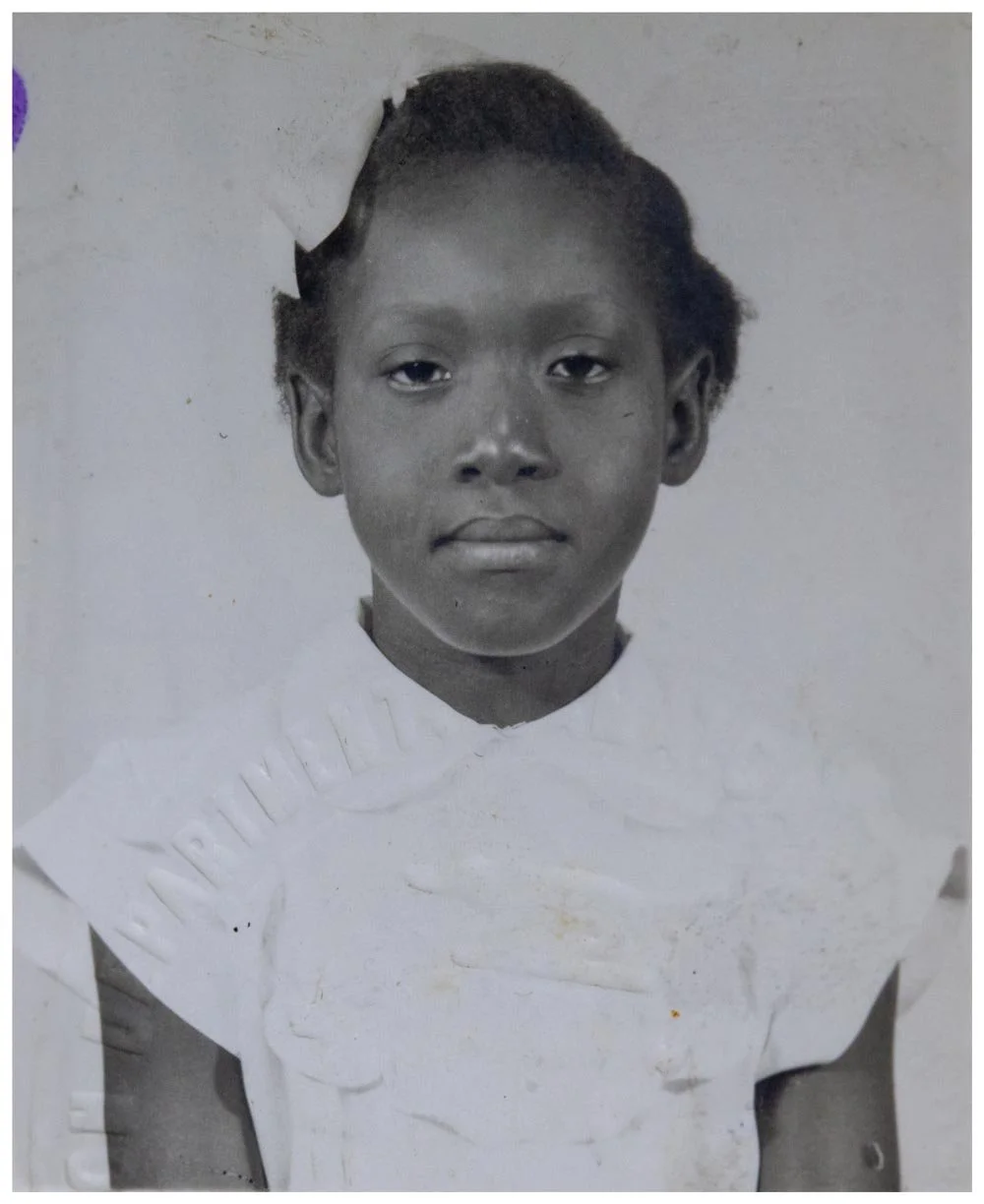
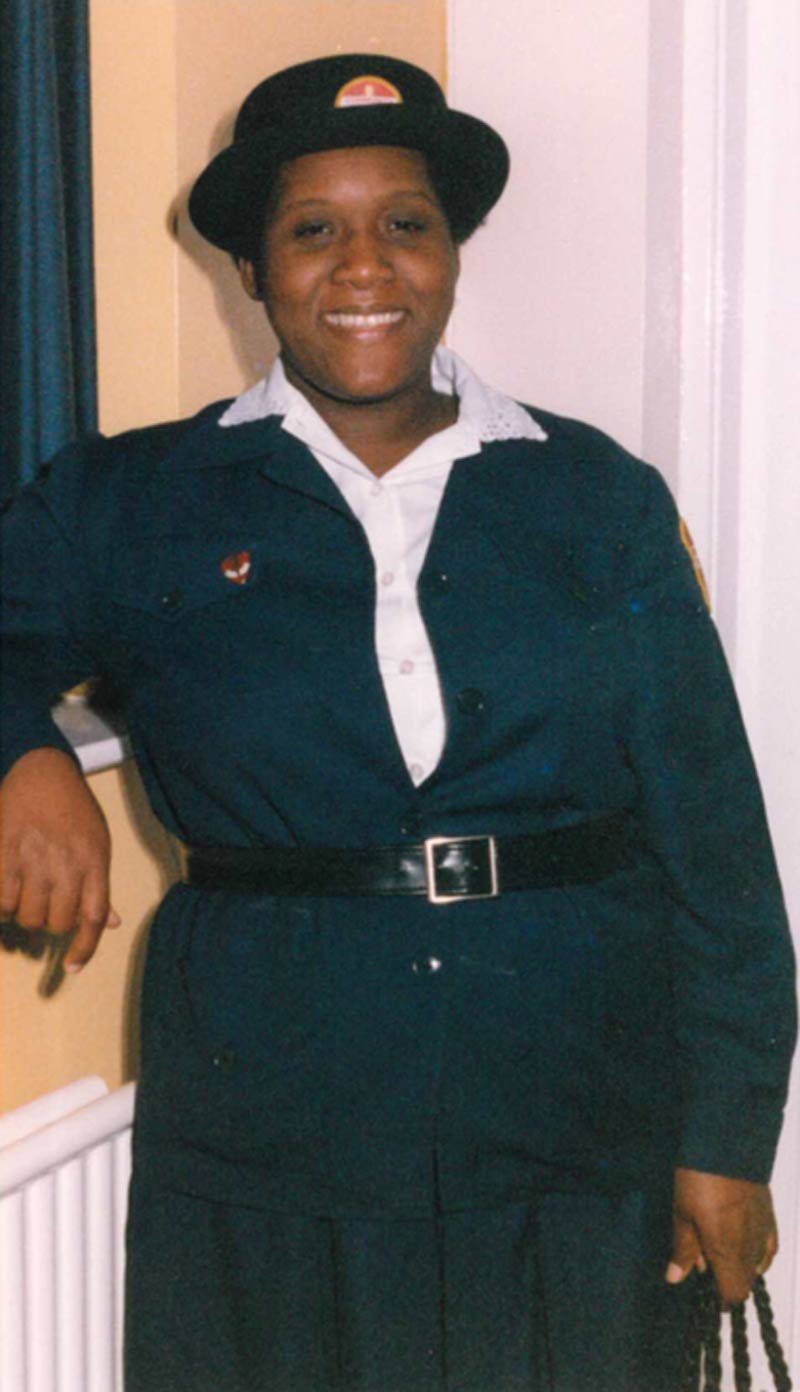
Listen to Nerissa's Oral Stories
Cooking At Home
-
Cooking at home, was lovely. At my house, erm, it was the end terrace, so it was a bit bigger, and taller, it seems, than everybody else's. And at home, mum did the cooking. So, at home, there was my brothers, my mum, and my dad, and I think there was one or two tenants. They come and go, one and two tenants. So, there were times when you're cooked, somebody else is cooking, and so on and so forth. But because, the camaraderie of families. I never seen as tenants, like extension of the family, because mum and dad could go out and I'll be happy to stay with them, and so on and so forth. So, the cooking at home, yes, we still have the oxtail soup, and this and that, you know, and, After, I think it was in 70, early 70s, no, maybe even earlier than that, my dad decided not to eat meat. And erm, my mum used to moan laughter about having to cook two pots.
And one day, I think I was around 17 then, I said, Dad, you know what? I'll cook for you. Get to the thought of, well, if I'm cooking for him, I might as well just have partake of it as well. So over 50 years, I haven't eaten meat. And so it is. And I don't miss it, and here's the irony of it.
Dad had quite a few jobs, but he also ran a van selling food. And then he had chickens as well. So, he understood, oh, that you have to pluck the chicken and, oh, dear me. I wouldn't say it was a trauma, but it was an experience. Whoo! But anyway, I still had to help out with doing that. And so, but being a vegetarian, vegan, almost because there's certain things I still don't have, but erm, God has been good.
And in those early years, I'll just say that, my, there wasn't anything you could get in the shops. There was something called meatless steak. Talk about rubber, you could be chewing from now until, laughter and you can't swallow. But now there's such varieties. gasps I think everybody should go on a plant-based diet. It's in place of meat, so it's a substitute. There was one that, you had the wholemeal flour, and you would knead it up as if you were having dumplings, was going to make dumplings. But then you wash it, and what's left is the gluten, and you can erm, season that how you can. And once again, back then, laughter Marmite was the best that you could get to go with that.
It was a trauma, going vegetarian. But when you have a mindset, you used to put up with it and now, as I say, there's such varieties, that you need not touch meat at all. And some of them taste very, very nice. For the Quorn, for instance, that that goes down very well, the substitute, but as I say, even with that, I don't have a lot of it because it's processed, and erm, it's not good for you to be on the same thing.
Five Year Plan
-
My husband, he was one of them. He wanted to go home, according to him. He wanted to go home. And I thought, here is my home. My family are here, the children are here and whatnot. He wants to go home. Anyway, he kept talking and talking. And I must say, I look back and I think he was a good persuader, because I came to the fact that, all right, I'll go. Because when you talk about back home, this is the part of the story. When he was trying to convince me, yes, go home, he says, I don't hear you talk about going back to Jamaica or whatever. And apart from it being my home here, I says, I only call it back home, because people call it back home, because that's not my home! laughter Here is my home.
And I remember when he was really wanting to go and talk about it much, my siblings say, don't go. Well, I'm one of those that you made a commitment, for better, for worse, follow them up. Because if he treats you right, you don't have anything to worry about. So I didn't have anything to worry about. So I said, oh, oh, I think I'd be leaving the children here and going.
So going back to Jamaica, we visited, every two years we were there. And plus we had friends that were from here, they went back to set up their home. So we went and we stayed with them. And they treated us so well, that it made me mind up. So, we were going.
So we bought a property in St. Elizabeth and everything. And, you know, we never slept in there one night. He died. And because it was his dream to go home, I erm, it was mine. So after five, six months, I went back and I sold up everything. And that was the end of that. But, even after his death, I've visited, erm, and so on. Because in wanting to go, we got used to the natives. it's like a reunion.
Know black people, reunion, when they go, when you go back, they're glad to see you and things like that. And we even did...erm, chose which church because we visited quite a few and we were going to reside in Mountainside, Saint Elizabeth. He was from Hanover erm, and I was born in Westmoreland, but as I say,
England is my home. So that's how it is. So I may sound different to other people, but that is my experience. I grew up here, everything here. So here is home.
I don't know if he had the idea, like the five-year plan. I don't know. But I was here, I think it was the 25th wedding anniversary, that we went back to Jamaica, you know, to visit for the first time. So for me, okay, things were different. I remember, erm, we got to one place where we called Crossroads. laughter Crossroad, when I was a tot, Crossroad was so big to cross, you know what I mean? laughter If you can understand what I'm saying. So through the eyes of a child and through the eyes of a grown-up, it's two different things. Yes, but we visited and we liked it. I got somebody to look after the property. And friends were so good! We got one that lived in Jericho. And they gave me, us, I should say, a banana, not a banana, coconut sucker.
And we got another friend from Westmoreland to clean up the yard for us and to plant it. We were here, you know, and whatever we get, they had the job of cleaning up. And I remember there was 3 mango trees on the property, gungo peas, bread, not breadfruit, banana and plantain. Tangerine tree, and there was another one I didn't quite get what it was, and, and so on. And I say, in Jamaica, if you spit, it grows. It was fertile property, but I only ate Bombay mango. There was a mango tree, and my friend says, you better take mango off this tree. They weren't ready, but she says, take it, because and I did, and we didn't eat anything off the land. I remember the people that we're looking after says, their workman passed by our property and saw the erm, plantain was ready. And by the time he went down, it had gone. It had gone. laughter So, you get me. help themselves, things like that. So yeah, very nice.
I think I could have lived in Jamaica again because for me the land was fertile. There were shops down there, the people are friendly and so on. And we got friends there who used to live here and emigrated back to that. So we had a good time. But unfortunately, it was not to be and so I just made myself. Stuck on my own.
Work Life at Yale
-
When I went to Yale, how I got that job, I phoned up Brook Street Bureaus in Wolverhampton and they say, just come in. I took the test, took the interview, and got the card to go to Yale for this job. This was 1975. And erm, he asked how much I'm looking for. He says, that's too much. And even to this day, I think back and I said, did I undersell myself?
And erm, it turned out I got the job, and I noticed I wasn't getting the full rate, because even my husband said to me, that seemed a bit low. And there was a time, when the government gave back through tax. And because I wasn't being paid the right amount, I wasn't receiving anything back through taxes.
One day, I trained a lot of people in the job. And then they even got higher than me. And yet I did the training. Then, a friend of mine that had trained said how much they were getting. And I thought, they were getting at least 10 pounds more than I was. So, I went to the rep because at that time it was almost automatic that when you join, you join the union. And I asked the rep to look into this. And he came back, and he says, ‘Yes, between Chubbs and union, those were the sort of competitors.’ I was getting at least 10 pounds less. And I says, why is that? Couldn't give me an answer. However, I says to him, since you're not working on my behalf, I'm going right down to personnel now and come out of the union. And that is exactly what I did.
Well anyway, hard work and perseverance showed that I was doing the job. because when my supervisor, whom I had trained, was off sick, I was there carrying the whatnot, and it was noticed. And so this manager now, called me in. He says, your salary's been upgraded and whatnot. When I saw that, it was thousands of pounds, I'd be getting more than what I was getting. I said, thank the Lord for Richard. I think his name was Richard Jackson. laughter And um, I said, thank the Lord for him. And then that carried me through.
But truly, I've heard people talk about they pay black people lower rates. And I can say that, I experienced that. But thank God it was rectified. And I'll even give you this instant, you know, when they were sending barrels back home. And our plant, they had these big barrels that they had to scrape out this up. And when they finished with it, they would have to throw it away. So, I asked on other people's behalf for them, it don't cost me anything, just put it in the car and take it. And, um I remember one chappie asked me, how much am I going to pay for it? I said, pay for what? I didn't pay any money, but you know, it's a waste product, but yet they want to charge you. Because another thing with the Indians that really cause us problems, they pay for what? To get to where they're going, because black people won't pay. laughter They sort of have to stay where they are. That's what I'd like to share. Yes.